
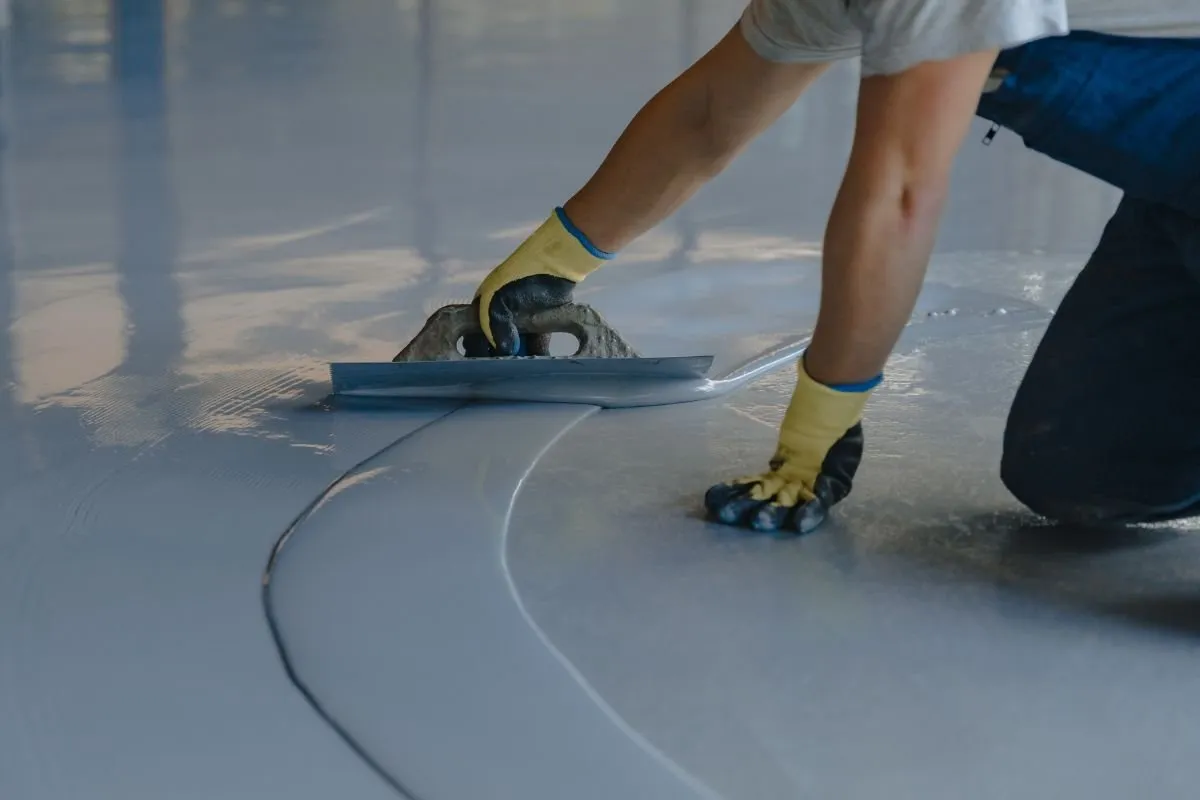
Residential Epoxy Flooring
Professional residential epoxy flooring services across the Sutherland Shire. Trusted by homeowners across the shire.
Learn More →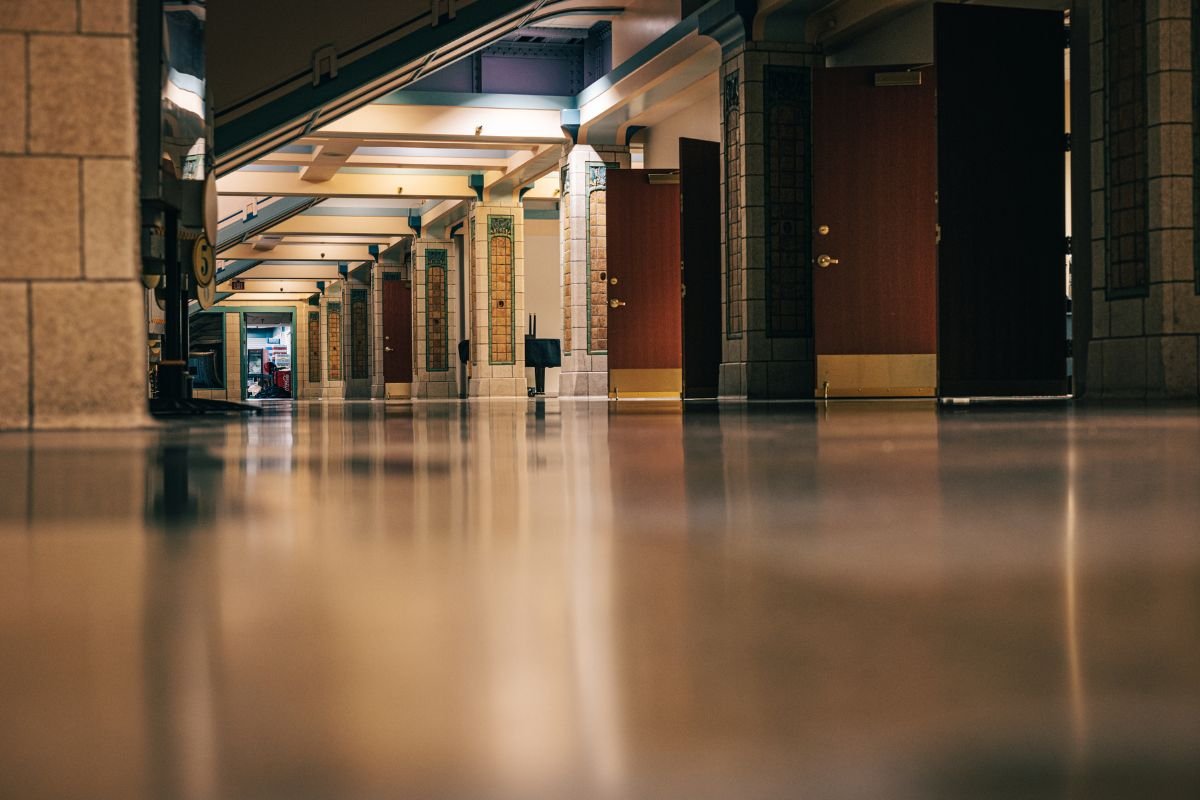
Get Bexley North's leading Epoxy Flooring professionals
Get a FREE Quote
Premier Epoxy Floors Sutherland Shire provides expert services to Bexley North residents
Professional residential epoxy flooring services across the Sutherland Shire. Trusted by homeowners across the shire.
Learn More →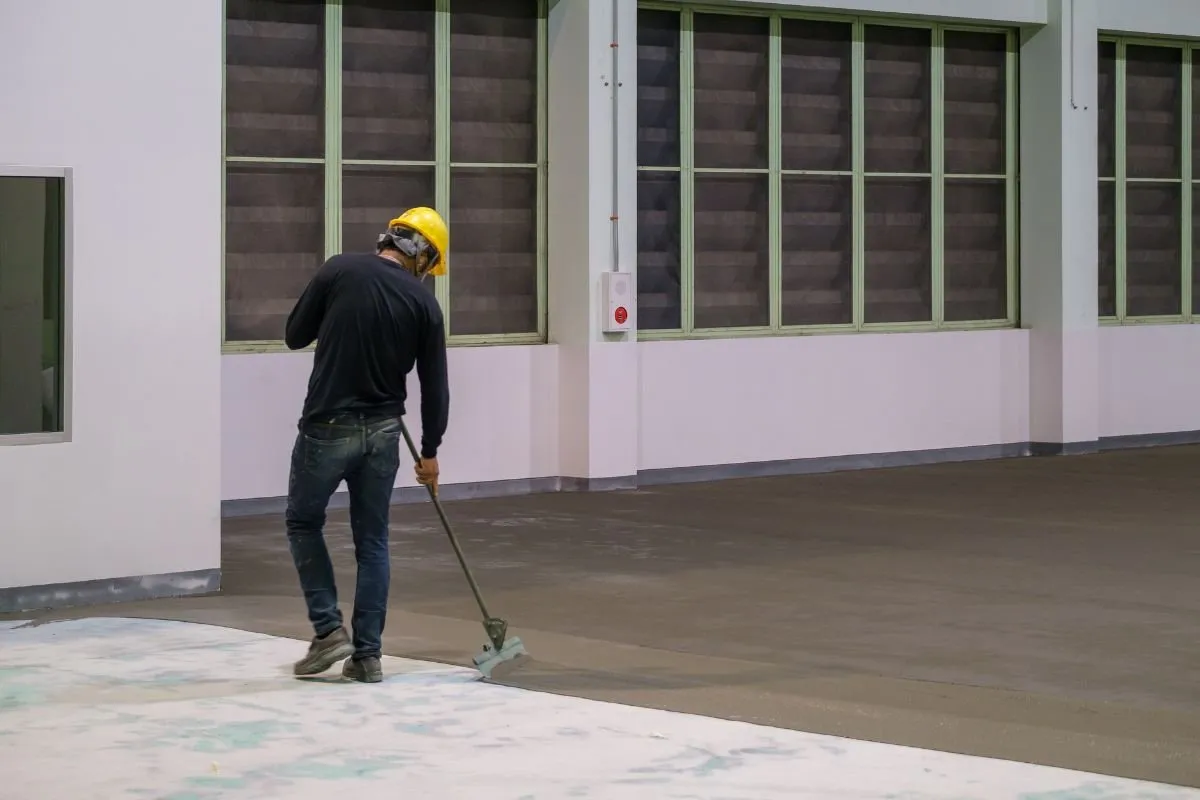
Professional industrial and commercial epoxy flooring services across the Sutherland Shire. Trusted by business owners across the shire.
Learn More →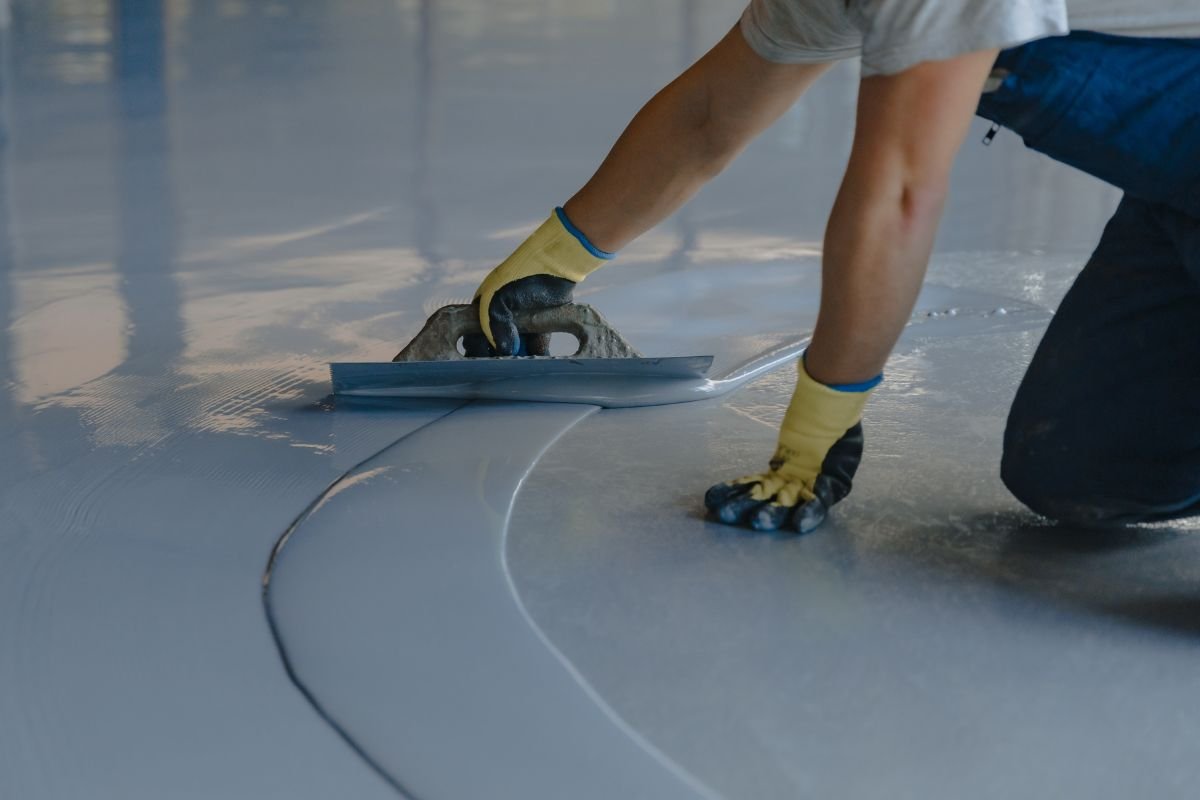
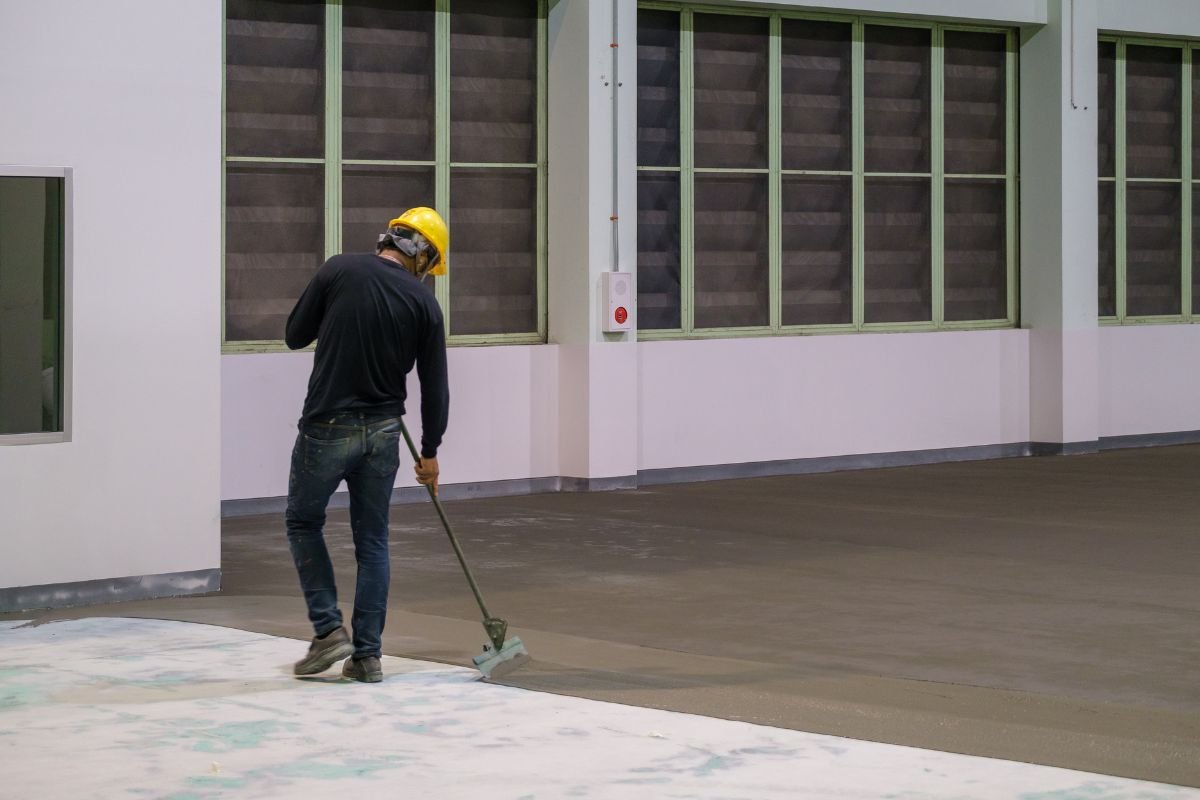

Properties close to the waterways and bays around Bexley North regularly show elevated moisture vapour emission rates in their concrete slabs. We test every slab with a calcium chloride or in-situ RH probe before specifying a product. Where readings are high, we apply a dedicated moisture-tolerant epoxy primer rated for slabs up to 85% RH — not a standard primer that will fail within a season.
We use commercial diamond grinding machines with industrial dust extraction on every project, whether it's a 30m² garage or a 2,000m² warehouse floor. Grinding opens the concrete pores and removes laitance, giving the epoxy a mechanical key to bond to. Hand-applied acid etching alone doesn't achieve the surface profile needed for a long-term result — we don't take that shortcut.
Residential and industrial floors in Bexley North are finished with a full multi-coat system: a penetrating primer, a pigmented base coat, and a UV-stable polyurethane or epoxy topcoat. The total dry film thickness typically lands between 300 and 500 microns depending on the application. That build depth is what gives the floor its hardness, chemical resistance, and longevity.
Most residential garage floors in Bexley North are back in light foot traffic within 24 hours and ready for vehicle traffic in 72 hours, depending on ambient temperature and humidity. We give you an honest cure schedule before we leave, not a vague 'a few days'. Industrial floors with heavier chemical exposure requirements may need a full 7-day cure before forklift traffic — we factor that into the job plan upfront.
Every epoxy floor in Bexley North goes through the same four-stage process — from slab assessment through to final topcoat and cure.
Before any equipment is unloaded, the technician walks the slab and checks for cracks, previous coatings, oil contamination, and surface hardness. A moisture test is carried out using a calibrated probe or calcium chloride kit. Any cracks wider than 0.3mm are marked for repair with a semi-flexible epoxy filler. This assessment determines which primer system gets specified and whether any remedial work is needed before grinding starts.
The slab is ground using a walk-behind or ride-on diamond grinding machine fitted with appropriate grit tooling for the concrete hardness. The goal is a CSP 3 to CSP 4 surface profile — rough enough to feel like 80-grit sandpaper under your fingers. Industrial dust extraction runs throughout this stage. Any remaining oil spots are treated with a degreasing compound and re-ground. The floor is then vacuumed and blown clean before coating begins.
The primer is mixed to ratio and applied by roller at the specified spread rate — typically 4 to 6m² per litre depending on slab porosity. On porous slabs, a second primer pass is sometimes needed to seal the surface fully before the base coat goes down. The pigmented epoxy base coat is then applied and, where a decorative flake or quartz broadcast finish is specified, the aggregate is broadcast into the wet coat at full rejection to create an even texture.
Once the base coat has reached its recoat window — usually 8 to 12 hours depending on temperature — the UV-stable polyurethane or epoxy clear topcoat is applied at the specified film build. On broadcast finishes, any excess aggregate is swept and vacuumed before the topcoat goes down. The technician does a final walk of the floor checking for pinholes, missed areas, or texture inconsistencies before leaving the site. Cure cards with temperature and humidity notes are left with the client.
Coastal humidity affects epoxy in two ways. First, high ambient humidity during application can cause amine blush on solvent-free epoxy surfaces — a greasy film that prevents proper inter-coat adhesion. We monitor dew point and relative humidity before and during application and schedule jobs to avoid high-humidity windows where possible. Second, moisture vapour in the slab itself can cause adhesion failure from below. We test for this before specifying a primer, and where vapour emission is elevated, we use a moisture-tolerant epoxy primer system rather than a standard one.
Yes, but the oil contamination has to be dealt with properly before any coating goes down. Oil penetrates into the concrete and will prevent adhesion if it's left in place. We treat oil-affected areas with a commercial alkaline degreaser, allow dwell time, then grind the surface to remove the contaminated layer. In heavily soaked areas, this process may need to be repeated. Once the grind is complete and the surface tests clean, the primer bonds to bare concrete rather than oil-saturated material. Skipping this step is the most common reason DIY epoxy jobs fail.
A standard double garage — around 35 to 40m² — typically takes one full day on site for preparation and coating. The grinding and prep work usually runs 3 to 4 hours. Primer and base coat application takes another 2 to 3 hours. The topcoat follows the next morning once the base coat has cured overnight. So the physical work spans parts of two days. You can walk on the floor lightly after 24 hours and park a car on it after 72 hours, assuming temperatures stay above 15°C during the cure period.
The main differences are film build, hardness, and chemical resistance. A residential garage floor typically gets a 2 to 3 coat system with a total dry film thickness around 300 microns — more than enough for foot traffic, bikes, and passenger vehicles. An industrial floor in a warehouse or manufacturing facility needs a thicker build, often 500 microns or more, with a topcoat specified for forklift tyres, pallet jacks, and chemical spills. Some industrial applications also use a quartz or aluminium oxide broadcast to improve slip resistance under wet conditions. The surface preparation process is the same — thorough grinding and profiling — but the product specification changes significantly.
Standard solvent-based epoxy topcoats will amber and yellow with UV exposure — this is a known characteristic of the chemistry, not a defect. For areas with natural light exposure, like garages with open doors or commercial spaces with skylights, we specify a UV-stable aliphatic polyurethane topcoat instead of a standard epoxy clear. This product is formulated to resist UV degradation and holds its colour significantly better over time. It costs a little more per litre but it's the right product for any floor that sees regular sunlight.
Epoxy flooring transforms concrete surfaces into durable, seamless finishes that handle the demands of Sydney's climate. Premier Epoxy Floors Sutherland Shire installs epoxy systems across Bexley North that resist moisture, UV exposure, and heavy foot traffic — keeping your garage, workshop, or commercial space looking sharp for years.
Bexley North sits in a zone where coastal humidity from nearby Brighton-Le-Sands and inland heat patterns create moisture challenges for concrete. Standard concrete absorbs water and develops mildew in humid conditions, especially in garages and basements where ventilation is limited. An epoxy coating seals the surface completely, preventing moisture penetration and the staining that comes with it. Premier Epoxy Floors Sutherland Shire designs systems for this specific climate — we account for seasonal temperature swings and the salt-laden air that affects properties across the Sutherland Shire, NSW area.